How to Groom a Persian Cat at Home
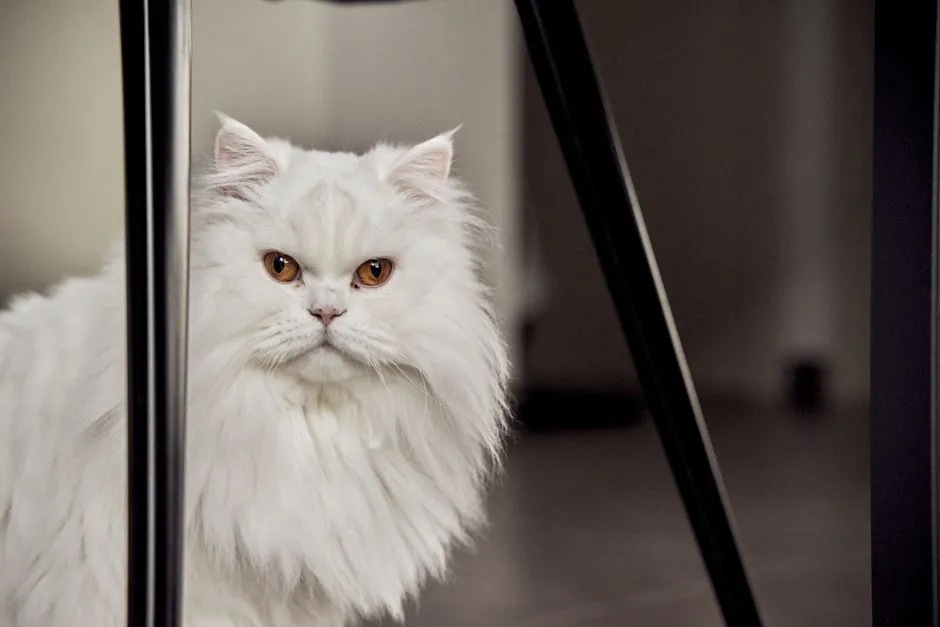
Groom in small, cooperative sessions
To groom a Persian cat at home, use a comb that can check the coat down toward the skin, work a small section at a time, and stop before the cat becomes distressed. Pay particular attention behind the ears, under the front legs, around the collar area, across the belly, and along the rear trousers.
A Persian coat can look smooth on top while tangles form underneath. The goal is not to brush the visible surface into magnificence while a tiny felt factory operates below.
Prepare the cat before the toolkit
Choose a quiet, stable place with good light and a nonslip surface. Let the cat investigate the comb. Begin with a body area the cat already accepts, make one or two gentle passes, reward calm behavior, and finish while the session is still going well.
Build duration over days rather than restraining the cat through a full overhaul. Watch ears, tail, skin twitching, attempts to leave, growling, or swatting. Those signals mean reduce intensity or stop. Pain, sudden grooming intolerance, or skin changes require veterinary attention.
The coat care collection favors cooperation because today's forced marathon can make tomorrow's two-minute check impossible.
Comb in layers without pulling
Part the coat gently with your fingers and support the hair near the skin. Work from the ends of a small section toward the base, easing minor tangles apart without yanking. A metal comb can help reveal whether the tool passes through the full coat, but tooth spacing and technique need to suit the cat.
Do not scrape skin or repeatedly attack one spot. Static, snagging, and pressure can turn even a good tool into an objectionable one. An experienced feline groomer can demonstrate how to position the cat, hold the coat, and choose tools.
Check rather than assume:
- Behind and below each ear
- Chin, bib, and collar area
- Armpits and inner legs
- Belly and flanks
- Base of the tail and rear trousers
- Paws and between toes, only as safely tolerated
Note redness, flakes, odor, moisture, parasites, lumps, wounds, or sensitivity and contact a veterinarian rather than diagnosing the skin at home.
Treat mats as a safety problem
A mat can pull continuously on skin, conceal irritation, and make movement uncomfortable. Do not insert scissors beneath it. Cat skin is thin, mobile, and easily lifted into the tangle, so the distance that appears safe may not be skin-free.
Stop if a mat is tight, close to skin, widespread, wet, contaminated, or painful. A veterinarian or experienced cat groomer can choose safer removal methods. Sedation decisions belong to a veterinarian; never give a cat human medication or an unprescribed calming product.
Do not bathe a matted coat in hopes the knot will surrender. Water can tighten some tangles and makes the underlying skin harder to assess.
Keep face and rear care cautious
Persian cats may collect discharge around the eyes or food around facial hair. Use only a veterinarian-approved routine and a separate clean material for each eye. Eye redness, squinting, cloudiness, swelling, pain, color change, or increased discharge warrants prompt veterinary advice. Do not apply human eye products.
For feces or urine caught in rear fur, avoid pulling at the skin or using scented household wipes. Repeated soiling can reflect coat length, stool problems, urinary issues, pain, weight, or limited mobility, so ask a veterinarian about the cause. A professional hygiene trim may be more humane than recurring cleanup.
Our guide to keeping a Persian cat cool explains why grooming supports observation but is not a substitute for climate control.
Finish with a useful record
End the session with a reward the cat values. Note new tangles, skin findings, tolerance, and any area you could not safely inspect. A simple record helps reveal a changing pattern before memory converts “Tuesday” into “probably last week.”
Regular grooming also offers a chance to notice weight change, reduced flexibility, or breathing difficulty. It does not replace veterinary exams. When the coat exceeds what the cat can tolerate at home, professional help is good care—not a failed beauty routine.